

Blog Post
Somatic Psychotherapy for PTSD & Complex Trauma

Somatic Psychotherapy for PTSD and Complex Trauma: A Mind-Body Approach to Healing
PTSD and complex trauma affect far more than thoughts and memories. Trauma reshapes the nervous system, influences emotional regulation, alters stress responses, and impacts the body’s sense of safety and stability. As a psychotherapist in Petaluma serving clients throughout Sonoma County and Marin County, I work with adolescents and adults struggling with the lingering effects of Trauma, chronic Anxiety, emotional overwhelm, depression, dissociation, and nervous-system dysregulation. Many individuals seek somatic psychotherapy because traditional talk therapy alone does not always fully resolve the physiological imprint of traumatic experiences.
Somatic psychotherapy offers a research-supported approach that integrates the mind and body in the healing process. Rather than focusing exclusively on thoughts or verbal insight, somatic therapies recognize that Trauma is also stored physically through chronic tension, hypervigilance, shutdown responses, breathing patterns, and autonomic nervous-system activation. For many individuals with PTSD or complex trauma, healing occurs more effectively when the body and nervous system are included directly in treatment.
Understanding PTSD and Complex Trauma
PTSD can develop following overwhelming or life-threatening experiences, while complex trauma often emerges from prolonged or repeated exposure to chronic stress, relational wounds, emotional neglect, attachment disruption, or ongoing instability. Complex trauma frequently affects emotional regulation, self-worth, relationships, and the ability to feel safe or grounded.
Individuals struggling with complex Trauma often experience symptoms such as:
-
Chronic Anxiety and hypervigilance
-
Panic attacks or nervous-system overwhelm
-
Emotional numbness or dissociation
-
Depression and hopelessness
-
Difficulty trusting others or maintaining relationships
-
Chronic muscle tension and sleep disturbances
-
ADHD-like symptoms related to nervous-system dysregulation
These symptoms are not simply psychological—they are deeply connected to how the brain and nervous system adapted in response to prolonged stress and emotional threat.
Why Somatic Psychotherapy Is Effective for Trauma
Research in neuroscience and Trauma treatment increasingly supports body-centered approaches for PTSD and complex trauma recovery. Studies have shown that Trauma significantly impacts the autonomic nervous system, altering the body’s ability to regulate stress, emotions, and physiological arousal. Even after the traumatic events have ended, the nervous system may continue reacting as though danger is still present.
Somatic psychotherapy works directly with these nervous-system responses. Instead of focusing only on cognitive insight, therapy helps individuals become aware of physical sensations, stress patterns, and emotional activation in a gradual and regulated way. This allows the body to experience safety and regulation rather than remaining trapped in chronic fight-or-flight or freeze states.
Research on somatic and body-centered psychotherapies has demonstrated improvements in:
-
PTSD symptom reduction
-
Emotional regulation and stress tolerance
-
Anxiety and panic reduction
-
Depression symptoms
-
Sleep quality and nervous-system stability
-
Interpersonal functioning and emotional resilience
These findings support the growing recognition that effective Trauma treatment must include both psychological and physiological healing.
How Somatic Therapy Works
Somatic psychotherapy integrates traditional Psychotherapy with techniques that increase awareness of the body and nervous system. Sessions may include attention to breathing patterns, grounding exercises, mindfulness, physical sensations, posture, movement, or nervous-system regulation strategies.
Somatic therapies often help clients:
-
Recognize early signs of nervous-system activation
-
Develop greater emotional awareness
-
Reduce chronic physiological tension
-
Increase feelings of grounding and internal safety
-
Build tolerance for difficult emotions without becoming overwhelmed
-
Reconnect with their bodies in a compassionate and regulated way
Unlike approaches that push rapid emotional processing, somatic psychotherapy emphasizes pacing, safety, and nervous-system stabilization. This can be especially important for individuals with complex trauma who become emotionally flooded or dissociated during traditional Therapy approaches.
The Connection Between Trauma, Anxiety, and Depression
Many individuals seeking treatment for Anxiety or Depression discover that unresolved Trauma plays a significant role in their emotional experiences. Trauma often keeps the nervous system in a chronic state of activation or shutdown, which can contribute to persistent worry, emotional numbness, fatigue, hopelessness, irritability, or panic symptoms.
Somatic psychotherapy helps address these patterns at their physiological roots. As individuals learn to regulate their nervous systems more effectively, they often experience improvements not only in Trauma symptoms, but also in Anxiety, mood regulation, sleep, and overall emotional stability. Many clients describe feeling calmer, more emotionally connected, and more capable of managing stress after engaging in somatic work.
Combining Somatic Psychotherapy With Neurofeedback and Biofeedback
Somatic psychotherapy can be especially effective when combined with neurofeedback and biofeedback. Neurofeedback helps regulate dysregulated brainwave patterns associated with PTSD, Anxiety, Depression, Trauma, and emotional dysregulation. By helping the brain shift out of chronic hyperarousal or shutdown states, neurofeedback supports greater emotional flexibility and nervous-system stability.
Biofeedback complements this work by increasing awareness of physiological stress responses such as heart rate, breathing patterns, muscle tension, and autonomic activation. Clients learn practical skills for calming the nervous system and improving self-regulation outside of therapy sessions.
Together, somatic psychotherapy, neurofeedback, and biofeedback create a comprehensive and integrative approach to healing that addresses both the emotional and neurological effects of Trauma.
A Different Approach to Long-Term Trauma Recovery
For many individuals with PTSD or complex trauma, healing involves more than understanding what happened intellectually. Recovery often requires helping the body experience safety again. Somatic psychotherapy supports this process by working directly with the nervous system while creating space for emotional insight, regulation, and resilience to develop gradually over time.
This approach is especially valuable for individuals who have spent years feeling chronically tense, emotionally reactive, disconnected from their bodies, or overwhelmed by stress. By addressing Trauma through both mind and body, somatic psychotherapy offers a path toward deeper and more sustainable healing.
As a psychotherapist in Petaluma serving adults and adolescents throughout Sonoma County and Marin County, I provide somatic psychotherapy, neurofeedback, biofeedback, and integrative Trauma treatment for PTSD, complex Trauma, Anxiety, Depression, emotional dysregulation, and stress-related conditions. If you are looking for a compassionate and research-supported approach to Trauma healing that addresses both the mind and nervous system, please contact me for more information.
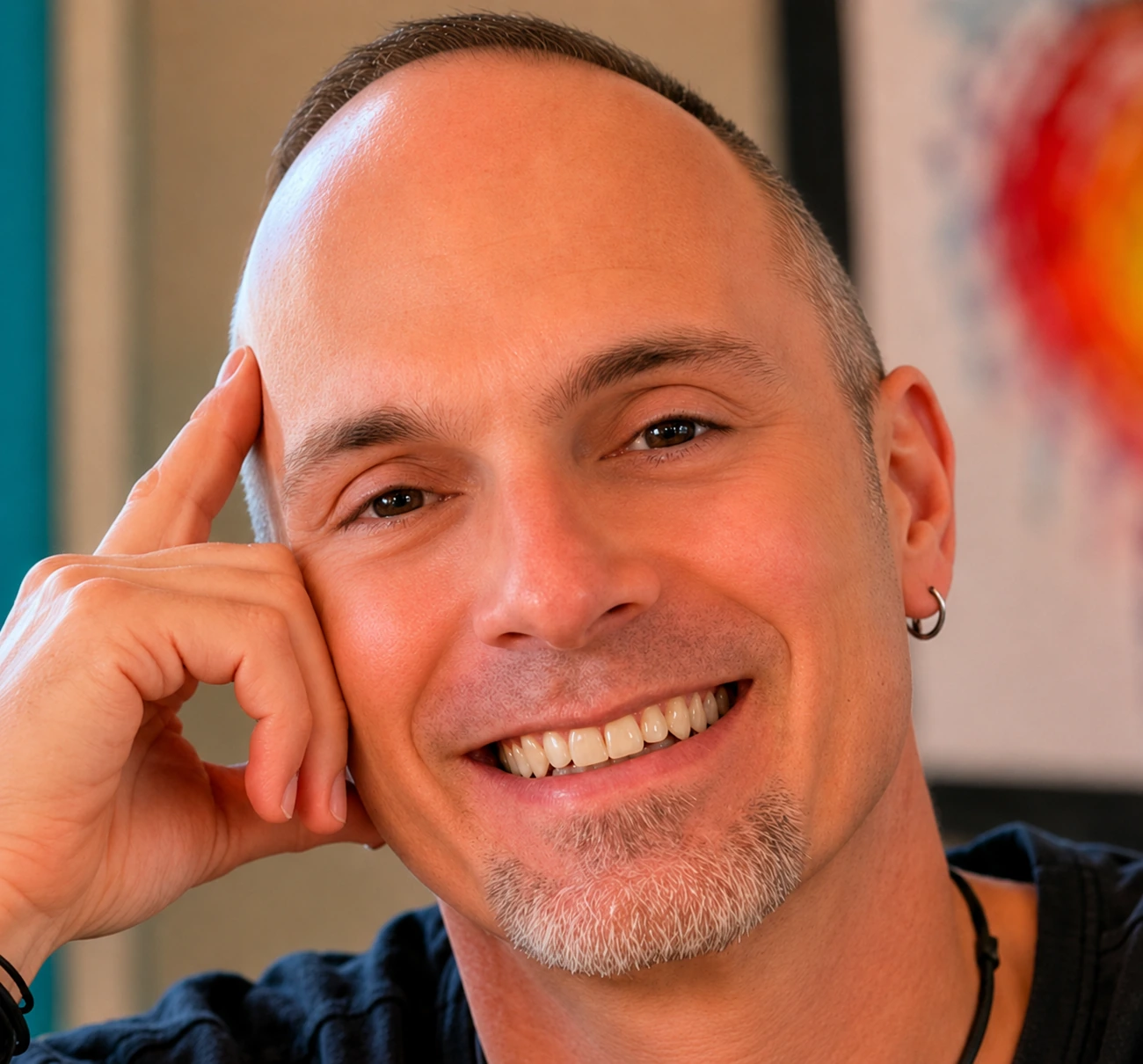
Sil Machado, Ph.D.
Ph.D., Licensed Psychologist
Sil Machado, Ph.D. is a licensed psychologist in Petaluma offering in-person Neurofeedback, Biofeedback, Somatic Therapies, and Psychotherapy.
Schedule Consultation